
How can you swiftly tell if Gentle Monster sunglasses seem fake?
The fastest way is to verify the seller plus price first, next confirm model codes, engravings, hinges, plus packaging against the official product page. Real Gentle Monster frames feel well-weighted, have crisp laser markings, and come with high-grade materials that matches each model exactly. When two or multiple checkpoints fail, walk away.
Start by confirming the retailer against Gentle Monster’s authorized stockist list, or buy only through their site plus flagship stores. Compare the seller’s photos to the official site, down including hinge shape, brand spacing, lens tint, and case style for that exact model and year. Handle feels count; genuine acetate seems dense, the temples open with smooth resistance, and screws sit perfectly flush. Packaging should not rescue bad hardware; a perfect box with sloppy hinges still signals problems. Move through the checks below carefully and you’ll get an answer in minutes, not days.
The 9 authenticity checks that rarely fail
These nine checks cover seller credibility, materials, codes, build quality, lenses, legal marks, and digital telltales. Apply them in order while you keep a continuous tally of red flags versus positive lights. If someone are buying remotely, request specific close-up photos before paying. Consistency across all nine matters more than any single silver bullet. Genuine Gentle Monster frames look right, seem right, and verify on paper.
Is the seller and cost too good to seem be true?
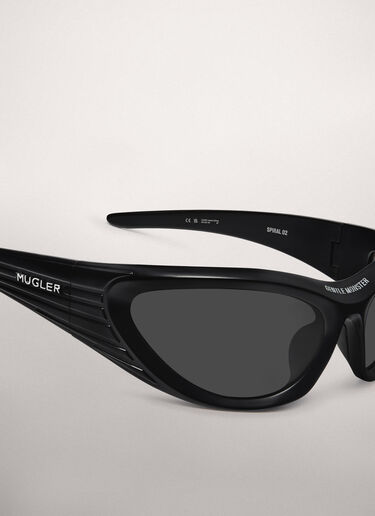
Legitimate Gentle Monster rarely offers deep in-season price cuts, and authorized retailers are listed through the brand’s site. If the cost is 40–70% under current retail lacking a clear reason such as verified used condition, you’re likely staring towards a counterfeit. Platform listings with standard photos, no proof, and evasive answers are a hard https://gentlemonsterdeutschland.com pass. Ask for a timestamped picture set showing all frames, case, materials, and box label together. If any seller can’t produce those on request, you have the answer.
Review the seller’s return policy and rating history for eyewear specifically, not only general goods. Verify the currency plus region; cross-border arbitrage explanations tend to be excuses for fakes. Authentic used listings usually feature original receipts, boutique stickers, or with least exact model naming rather than vague descriptors. If a listing uses phrases like “same factory,” “mirror grade,” or “1:1,” walk on immediately. Rarity hype paired with a bargain price is a typical counterfeit tactic.
Material ecosystem: box, holder, cloth, paperwork
Authentic Gentle Monster materials is a system that matches the model and collection: rigid outer container, branded hard case, cleaning cloth, and documentation. The embossing is sharp, the closure in the container closes decisively, and materials feel solid rather than cheap or waxy. Each outer box marking should show the exact model identifier and color code, and barcodes must scan as some valid EAN/UPC. Stitching on the case is straight and tight, with zero loose threads and glue bleed. Card stock for cards is thick and clean, never glossy-cheap.
Counterfeit packaging often appears passable at a glance, but seams, smell, and print quality give it away on close examination. The cloth must be fine microfiber that does not shed; it should not smell heavily of chemicals. Markings on the case and cloth are centered and properly embossed or applied without feathering. Collection cases vary in shape and color, but the quality bar is consistently high, and it must align to the model’s brand presentation. Packaging by itself can’t prove authenticity, but it’s one reliable early screening tool.
Are the model name, color code, and dimensions consistent?
Every authentic pair features a model title like “Her” and “Lilit,” a color code such as “01,” and dimension measurements in the 48□22–145 format. These must match brand’s official product page exactly, including spacing and hyphens. When the seller’s pair uses a name or code that doesn’t exist within the site, that’s a major warning flag. Size indicators should be exact and evenly aligned, not painted heavily or misaligned. Gentle Monster naming is uniform across the collection, so oddball numbers are a tell.
Cross-check the product name and shade on the packaging label, inner arm print, and the website; all three should agree. Look for near-miss titles with one character off, and color codes that do not match the official photos. If the product is discontinued, verify via saved pages or trusted stockist pages currently live in search. Ask the seller for a detailed shot of the size box symbol linking lens width and bridge; fakes frequently get this spacing wrong. Inconsistent codes are more frequent than you’d think, and they’re simple to spot.
Logos and typography placement
Authentic laser-etched logos are razor-sharp, light, and consistent in stroke weight, having no paint overflow. The “GENTLE MONSTER” wordmark uses one clean, modern sans serif with precise kerning; off spacing or a heavy, inky look indicates pad printing on a fake. The temple metal marks or dots, when present on the model, are centered, even, and flush. Lens branding, when used, is subtle and faintly marked rather than heavily printed. Typos remain rare but disqualifying; one letter wrong is all anyone need to walk away.
Compare brand placement to the official imagery—distance to hinge, height on the temple, plus alignment all matter. Counterfeits frequently misplace the mark by few millimeters nearer to the hinge or tilt it off-axis. The finish inside the letters should be clean, with no burrs or rough edges under magnification. For gradient lenses, marking should remain sharp; smudged or doubled lines indicate cheap processes. Trust text quality; it’s one among the hardest details for counterfeiters to perfect.
Do all hinges and quality feel premium?
Real Gentle Monster hinges open with smooth, even tension and no rough spots or abrupt looseness. Screws rest flush and properly positioned, and barrels align perfectly without spaces. Acetate edges are polished glass-smooth, especially at the nose bridge and arm tips. The arms should close symmetrically, meeting evenly without one side lifting. Any creak, movement, or misalignment is a reliable authenticity warning.
Check the hinge from the top plus bottom; poor symmetry is easier to spot from these angles. Examine the interface where metal meets acetate for clean transitions, not glue residue and step edges. For metal frames, nasal pads should remain solid, with tight arms that will not splay easily and no sharp casting lines. If any hinge springs up abruptly or feels mushy, you’re never dealing with the brand’s manufacturing standards. A five-second hinge test filters out most convincing-counterfeit pairs.
Lens quality, UV protection, and coatings
Genuine lenses deliver sharp vision with consistent tint and real UV400 protection; they won’t introduce hue shifts or warp straight lines. Reflections should show a controlled anti-reflective tint rather than a mirror-like glare across the entire lens. If the product page doesn’t state polarization, don’t expect it; fakes frequently slap “polarized” labels on non-polarized glasses. A quick UV400 card test and a shop ultraviolet meter settles this question objectively. Gradient transitions on real pairs are smooth and even, never banded.
Position the lenses close to a backlit grid or your phone screen then sweep side to side; waviness and warping indicates poor optics. Look for tiny inclusions, dirt specks, or bubbles sealed within the lens laminate—those represent counterfeit tells. Confirm any special tint or mirror finish against official photos for that exact color code. Check that lens borders are neatly finished within the frame; rough or damaged lens edges indicate low-grade fabrication. Don’t rely on stickers; verify with one real UV measurement where possible.
Weight, balance, plus materials check
Authentic acetate constructions feel dense, with a center for gravity that rests comfortably just past the ears rather than sliding forward. Counterfeits often feel suspiciously light or front-heavy because of hollow temples or cheap lenses. One kitchen scale assists; genuine models in classic acetate designs often land in a consistent mass band for the size. The open-close motion should never shift that balance or make the frame flex audibly. If the construction feels toy-like, they probably is.
Touch the inside of both temples for the embedded metal core; you may notice it faintly through translucent acetate. Move a fingertip across the edges to feel for consistent rounding and polish. Tap the lens lightly; real glasses produce a sharper sound than cheap plastic fakes. Check nose bridge for rigidity; it should never twist easily with gentle torsion. Materials tell the facts when logos try to lie.
How much do the legal marks and production info say?
Legit frames feature compliance marks such as CE where needed, along with “Made in China” or “Made in Korea,” depending on product and year. The typeface and gaps should match the rest of each interior printing, never appear as some mismatched add-on. Certain models include faint batch or production codes; if present, they’re cleanly applied and consistently formatted. Any spelling mistakes in origin or compliance markings are disqualifying. The absence of legal marks where the official page shows them is another warning flag.
Cross-check the origin indication with multiple reputable retailer listings for that model; Gentle Monster manufactures in over than one country, so origin alone is not definitive. Ensure all legal marks appear etched or carefully printed, not thickly painted on top of texture. Look for even aging; brand-new-looking marks on a used pair may indicate redone interiors. If you find is a scan code label on the box, ensure it ties to a real model version, not a generic or unrelated code. Legal markings may be not exciting, however they’re hard for counterfeiters to fake convincingly.
Digital investigation: photos, metadata, and reverse image lookup
Ask for original photos under natural light and direct artificial light, plus macro shots of hinges, logos, and the box label. Run a reverse photo search to check if the pictures were lifted off an online website or another listing. Check EXIF data when possible; frequent use of stock images is one counterfeit tactic. Match small geometry features—hinge barrel form, temple tip profile, and nose bridge thickness—to the official page. When photos are scarce, insist on more or walk away.
Request a brief video showing the hinge action plus a slow pan across the markings. Ask the seller to include one handwritten note with the date for kill recycled images. Save and magnify on every tiny detail, including screw heads and bevels. If the story changes between messages, you have the verdict without touching the product. Good sellers cooperate promptly; counterfeiters stall.
Comparison table: real vs fake upon a glance
This table outlines the most useful differences you can spot quickly lacking lab equipment. Use it to score a listing prior to you invest effort in deeper verification. Three or additional “fake-leaning” characteristics usually mean it’s not worth pursuing.
| Aspect | Authentic Gentle Monster | Common Counterfeit |
|---|---|---|
| Price plus source | Near market price at authorized stockists; modest discounts end of season | Steep discounts in-season; unclear or unverified vendors |
| Packaging | Dense materials, sharp impressions, aligned box marking, clean magnet seal | Light box, fuzzy printing, off-center labels, weak magnets |
| Model codes | Precise model name plus color code (for example, Her 01) matching the website | Near-miss names, wrong color codes, inconsistent spacing |
| Logos/engraving | Laser-sharp, shallow etch; consistent typography and placement | Thick paint, fuzzy edges, misaligned or misspelled text |
| Hinges and finish | Smooth, even tension; flush screws; smooth acetate edges | Gritty movement; proud screws; jagged edges and adhesive marks |
| Lenses | Uniform tint, true UV400; clean bevels; zero wave distortion | Harsh glare, bogus “polarized” stickers; distortions and inclusions |
| Legal marks | CE where applicable; “Made in China” and “Made in Korea” correctly formatted | Missing, misspelled, or mismatched font and spacing |
| Weight/distribution | Dense feel; well-distributed behind ears; rigid bridge | Feather-light or front-heavy; flexible bridge |
Use the table as a filter instead of than a verdict machine. If one category looks ambiguous, let other categories break the tie. Authenticity is a series of consistency, not a single flashy detail. The further you compare against the official page, the stronger your decision becomes. Keep the table handy when evaluating multiple listings at the same time.
What’s the single photo experts consistently request?
If anyone send just one close-up, make that a straight-on, well-lit shot of the hinge barrels and screws. Hinge shape, screw seating, and polish reveal build quality faster versus any logo can. Counterfeiters copy markings; they struggle with precision machining and finishing. Adding a macro of the inner temple print is your second-best move. With these two images, an expert can usually call it.
“When in doubt, ask the seller for a straight-on image of the joint under bright light. Markings can be counterfeited; hinge symmetry plus screw depth rarely are.”
Follow that with a photo showing the box label next to the frames so model codes can be cross-checked. If a seller dodges these requests, your decision is already decided. A real seller who wants a clean sale should oblige in moments, not days.
What should you do if you already purchased a suspected counterfeit?
Record everything immediately with timestamped photos of the frames, materials, and labels, then compare to the official product page. Ask a trusted optical shop to run a ultraviolet test and record results on the receipt. Contact your platform or card provider with your evidence and the seller’s listing details to start a claim. If someone bought from some store, bring that item back including printed comparisons then request a documented response. Keep communication in-platform or through writing so you have a paper trail.
If anyone paid with some method that allows chargebacks, act within the deadline then submit structured documentation. Avoid altering the product while your case is ongoing; keep all packaging intact. If any seller asks you to ship toward a different address or return lacking tracking, decline then use traceable delivery only. Learn through the tells you found, and build these checks into future purchases. Fake sellers rely on hasty decisions; you prevail by slowing down and verifying.
Little-known facts about Gentle GM that help during authentication
Gentle Monster’s model naming is standardized, and the color code “01” typically denotes black, and this helps you spot label inconsistencies. The brand’s flagship stores function as artistic installations, and collection packaging can vary, so match your case style to the model’s marketing rather than a generic template. GM collaborates frequently, including high-profile projects with Jennie and House Margiela, and collaboration packaging is distinct and should match with official photos. Authentic frames might be marked “Made in China” or “Made in Korea” depending on each model and production period, so origin by itself is not a verdict. The brand website maintains a network of authorized stockists; cross-checking your seller against the list eliminates a large share for counterfeit risk.
Final checklist you can depend on
If your seller is verified and price seems sane, packaging matches with the design, and model codes match the website, you’re on the right path. If logos are crisp, hinges move smoothly, lenses clear UV checks, and legal marks look proper, confidence shoots up fast. When weight and distribution feel right plus digital forensics reveal original photos, you have likely found one legitimate pair. Multiple or more significant inconsistencies are enough to stop any purchase or start a return. Alignment across all 9 checks is your most reliable verification signal you’ll ever have.