
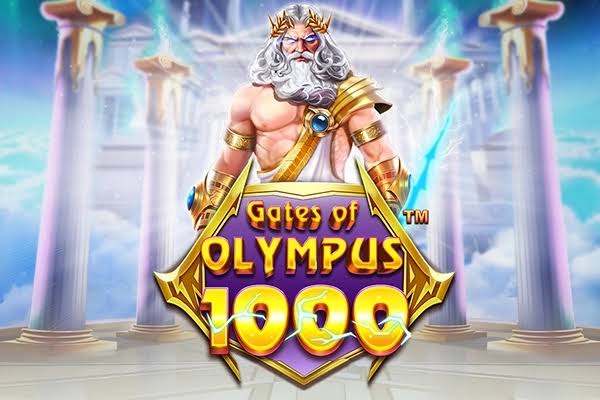
Gates of Olympus: A Link Between Earth and the Divine
The Gates of Olympus are not just physical representations; they symbolize the connection between the mortal realm and the world of the gods. It is a place where myths become reality and the rich tapestry of ancient tales continues to inspire and provoke thought. You can delve deeper into this realm by visiting gates of olympus gatesofolympus1000.dk.
A Brief History of Olympus in Mythology
Olympus is often depicted as the dwelling place of the Greek gods, ruled by Zeus, the king of the gods. According to ancient Greek mythology, Mount Olympus is a real mountain located in northern Greece, which was considered unattainable for mortals. The mythology surrounding Olympus speaks to a rich history filled with tales of gods, demigods, heroes, and legendary creatures.
The gates of Olympus are said to be a threshold between the human world and the divine. They are often described as magnificent gateways that glow with ethereal light, welcoming the worthy while denying entry to those deemed unworthy. This concept permeates through various stories and artworks, serving as a reminder of the balance of power and morality in the ancient Greek belief system.
The Significance of the Gates
The gates are a strong symbol of the quest for knowledge, enlightenment, and divine favor. In ancient times, worshipping at the gates of Olympus was a way to seek blessings from the gods. It was believed that those who made offerings could gain favor and perhaps even witness the divine. This practice continues today in various forms, reflecting the lasting influence of these myths.
In modern interpretations, the Gates of Olympus often serve as a metaphor for personal challenges and the pursuit of greatness. They remind us that while the path to success may be fraught with obstacles, those who persevere can unlock their potential and achieve their dreams.
Literary and Artistic Representations
The Gates of Olympus have been featured in countless works of literature and art throughout history. In Homer’s “Iliad” and “Odyssey,” for instance, the divine intervention of gods is often depicted as taking place at vibrant celestial gates. Various artists have tried to capture the sheer majesty and mystique of Olympus, from classical sculptures to Renaissance paintings, and contemporary visual art.
These representations often focus on the beauty and grandeur of Olympus, highlighting its ethereal qualities and the underlying themes of power, beauty, and the human condition. Artists seek to breathe life into these myths, making them accessible and relatable to modern audiences.
Modern-Day Interpretations
In today’s world, the Gates of Olympus have transcended their original context. They inspire various forms of entertainment, including movies, video games, and audio-visual media. Many video games have integrated themes of Olympus, mixing mythology with adventure and fantasy, allowing players to explore the gates and the narratives associated with them.
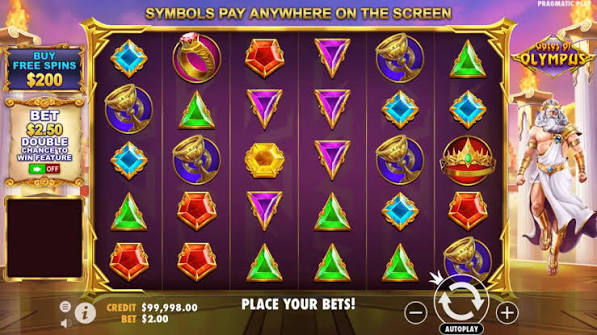
Casinos and gambling platforms have taken notice of the allure of such themes, with games designed to captivate audiences with visuals and storylines inspired by Olympus. These games often illustrate the grandeur of mythological figures and the intricate narrative of seeking luck and fortune through divine intervention.
Cultural Impact and Legacy
The legacy of the Gates of Olympus extends beyond ancient Greece. They are referred to in various cultures around the globe, symbolizing the aspiration for divine connection, virtue, and the pursuit of excellence. Many societies have their interpretations of celestial realms and divine gates, illustrating humanity’s universal desire to connect with something greater than itself.
As we study and celebrate these myths, we find that their narratives shape our values, ethics, and aspirations. They inspire us to reach for the extraordinary, challenging us to pull ourselves up to meet our highest ideals.
Conclusion: The Eternal Quest
Ultimately, the Gates of Olympus stand as a timeless reminder of our journey through life. They represent the thresholds we encounter—be it in the pursuit of knowledge, achievement, or moral integrity. While the myths serve to entertain us, they also provoke introspection and inspire us to reach for the divine within ourselves.
As we unlock the gates of understanding and reach for our personal Olympos, we continue the age-old tradition of exploring the complexities of existence, creativity, and the sacred journey of life. Through mythology, we learn about ourselves and the world around us, guided by the wisdom of the ancients while embarking on our own unique narratives.