
Designing games key insights from the gambling world
The Psychology of Reward
Understanding the psychology of reward is crucial in both gambling and game design. Gamblers are often motivated by the thrill of winning, which can create a compelling gameplay loop. By integrating reward systems that mimic these psychological triggers, game designers can enhance player engagement. This includes offering in-game rewards, achievements, or even casino slots online that keep players motivated to continue playing.
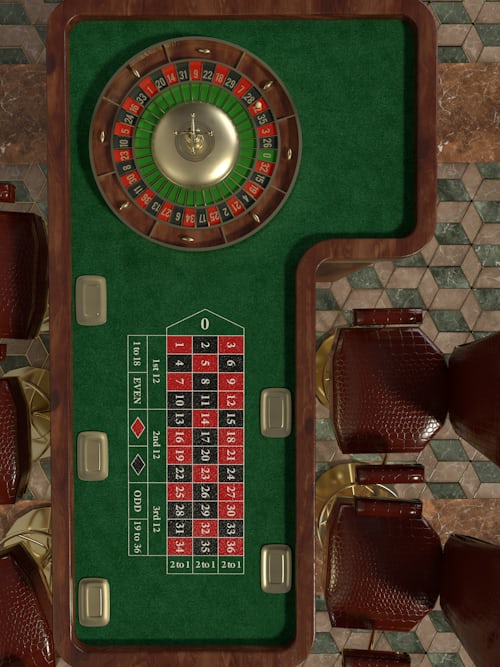
Incorporating elements such as variable rewards—where the outcome of a game can unpredictably yield a high-value reward—can create excitement and encourage players to return. This concept mirrors how slot machines operate, providing that rush of uncertainty and reward which can keep players hooked.
User Experience and Interface Design
User experience (UX) plays a vital role in game design, drawing significant lessons from gambling interfaces. Successful casinos employ intuitive layouts and vibrant visuals that enhance the player experience. Similarly, in game design, creating an accessible and visually appealing interface can significantly impact player satisfaction and retention. A seamless UX can make complex game mechanics feel straightforward and enjoyable.
Furthermore, the placement of information and graphics can influence how players interact with the game. Ensuring that critical features are easily accessible and visually distinct can help maintain player focus, mirroring how casinos design their spaces to guide player attention and maximize engagement.
Game Mechanics Inspired by Gambling
Game mechanics derived from gambling can significantly enrich the gameplay experience. Concepts like chance, strategy, and decision-making play an essential role in both fields. By incorporating elements such as betting systems or risk-reward scenarios, designers can create immersive and dynamic gameplay. This approach encourages players to think critically about their choices, mirroring the strategic thinking often found in gambling scenarios.
Moreover, game mechanics that involve bluffing or deception can add an extra layer of excitement. Such mechanics can create tension and intrigue, similar to poker games, where reading opponents and predicting outcomes adds to the thrill. This strategic depth can appeal to players seeking a more complex gaming experience.
Responsible Gaming and Ethical Considerations
In the design of games influenced by gambling, it’s essential to consider responsible gaming practices. While integrating addictive elements can increase engagement, designers must also prioritize player well-being. Implementing features that promote responsible gaming, such as limiting playtime or providing resources for players struggling with addiction, reflects a commitment to ethical design.
Furthermore, educating players about the potential risks associated with gambling-like mechanics in games can foster a healthier gaming environment. This proactive approach not only enhances the player experience but also builds trust and loyalty within the gaming community, ensuring players feel safe and valued.

Connecting Gamers through Innovative Tools
As technology continues to evolve, connecting gamers becomes increasingly vital. Platforms offering tools for account management and identification, such as Steam ID lookup, enhance the gaming experience by simplifying interactions. These tools help players navigate the online gaming landscape, fostering connections and community engagement.
By focusing on user-friendly features, these platforms can reduce barriers between players and enhance the overall gaming experience. As game designers draw insights from the gambling world, integrating community-oriented tools can lead to richer, more engaging gameplay that resonates with players.