
Understanding the House Edge
In every casino game, the house edge represents the mathematical advantage that the casino has over the players. This edge varies from game to game, with some having a higher edge than others. For instance, in blackjack, savvy players can reduce the house edge to less than one percent with optimal strategy, while in games like slot machines, the house edge may be closer to ten percent. Many players seek out the best online casino to maximize their chances, as understanding the house edge is crucial for players, as it illustrates why casinos are designed to make money in the long run, regardless of luck or skill.
The concept of the house edge might lead players to believe that they have no chance of ever winning consistently. However, while the odds are always in favor of the house, there are strategies and approaches that can minimize losses and occasionally lead to wins. Players often find solace in the idea that by playing smart and strategic, they can navigate the odds more effectively. Although this does not eliminate the house advantage, it can enhance the overall gaming experience and provide opportunities for sizable wins.
Moreover, understanding the house edge also helps in setting realistic expectations. Players who grasp the odds associated with each game are less likely to chase losses or develop unhealthy gambling habits. Knowledge of the house edge fosters a more informed gambling approach, allowing players to enjoy the thrill of the game while remaining aware of the inherent risk involved. This balance between excitement and caution is essential when stepping into any gambling environment.
Common Casino Myths Debunked
One prevalent myth in the gambling industry is that certain games are “due” to pay out after a series of losses, leading players to believe they can predict outcomes based on previous spins or hands. This belief, known as the gambler’s fallacy, is fundamentally flawed. Each game round or spin is independent of the previous ones, governed by random number generators, ensuring that each outcome remains purely chance-based, regardless of past results. Understanding this fact is vital for players to avoid making irrational betting decisions.
Another widespread misconception is that high rollers have a better chance of winning simply because they wager larger amounts. While high stakes can lead to more significant wins, they can also lead to more substantial losses. The house edge still applies, and betting more does not alter the fundamental odds of the game. It’s essential for players to comprehend that regardless of the bet size, the underlying mathematics remain unchanged, making it just as likely for a casual player to win as it is for a high roller.
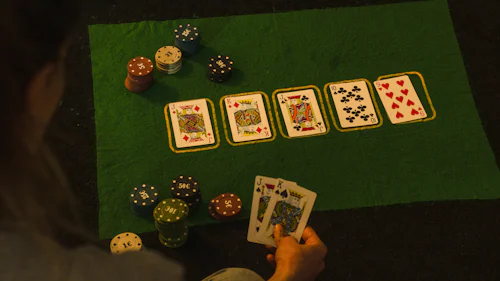
Additionally, many players believe that certain times of day or special occasions can impact the casino’s payout rates. This myth suggests that casinos generate more wins at specific times to entice players in. In reality, casinos operate under stringent regulations and use randomization techniques to ensure fairness and transparency. The outcomes are not influenced by time, events, or player behavior, dispelling the belief that timing can yield better results during gameplay.
The Role of Strategy in Casino Games
While luck plays a significant role in casino games, employing effective strategies can make a considerable difference, especially in skill-based games like poker or blackjack. These games allow players to make decisions that directly affect the outcome, contrasting with purely luck-driven games such as roulette. A solid understanding of basic strategies, such as when to hit or fold in blackjack, can help players capitalize on favorable situations and minimize losses during unfavorable ones.
In games like poker, the ability to read opponents and manage one’s bankroll is crucial. Players can employ strategies like bluffing or strategic betting to secure their position in the game. While the luck of the draw is still at play, an experienced player who employs these strategies can often outperform novice players. This dynamic illustrates that while beating the house entirely is unrealistic, developing skills in certain games provides a competitive advantage that can lead to more frequent wins.
Furthermore, utilizing casino promotions and bonuses can substantially impact a player’s strategy. Many establishments offer rewards to attract players, which can be leveraged to extend playtime and potentially enhance winnings. However, players must read the fine print to understand wagering requirements and conditions associated with these promotions fully. When utilized wisely, these bonuses can provide additional chances to win without risking significant personal funds.
The Psychological Aspects of Gambling
Gambling is not just about numbers; it’s also about psychology. The thrill of potentially winning can create a rush that is difficult to resist, leading players to chase losses or gamble more aggressively than they should. Understanding the psychological triggers of gambling can help players maintain self-control and know when it’s time to step away. Being aware of one’s emotional state can prevent impulsive decisions that could lead to regrettable losses.

Addiction is another significant concern in the realm of gambling. Many individuals fall prey to the allure of betting, leading to behaviors that can disrupt personal and financial stability. Recognizing the signs of problematic gambling behavior is essential, and seeking help when necessary can make a substantial difference in one’s life. It’s vital for players to approach gambling with a responsible mindset, focusing on entertainment rather than viewing it strictly as a source of income.
Moreover, the social aspect of gambling can often influence a player’s behavior. Group dynamics may lead individuals to take risks they wouldn’t usually consider alone. Being part of a betting environment can amplify excitement but can also lead to poor decisions. Establishing personal limits and sticking to a pre-defined budget can help maintain responsible gambling habits, ensuring that the activity remains a source of enjoyment rather than stress or conflict.
Further Exploration and Resources
For those interested in a deeper understanding of gambling fundamentals, numerous resources and educational tools are available online. Many websites provide detailed insights into various games, strategies, and even psychological strategies to enhance the overall gambling experience. Understanding the nuances of different betting strategies can provide players with a well-rounded approach to casinos.
Additionally, forums and communities dedicated to gambling can offer shared experiences and advice from seasoned players. Engaging with others who have navigated the complexities of gambling can illuminate various perspectives and strategies that may not be immediately evident. Knowledge exchange within these communities can empower individuals to approach their gaming experience with confidence and enhanced skill.
Always ensure to engage with reputable sources to ensure you are receiving accurate and helpful information. The right knowledge base can significantly influence one’s ability to enjoy the gaming experience while mitigating the risks associated with gambling. This ongoing learning process is not only beneficial for personal growth but also serves to reinforce the importance of responsible gambling practices.